A shopper orders a size M leggings set after a strength block, then returns it because the waistband no longer sits right. The hips and thighs filled in. The chart stayed frozen. Fitness trends now shift body shapes, training styles, and wear occasions faster than traditional size charts were built to handle.
That return shows up as a restock, a refund, and a size you can't trust on the next purchase order. Strength days, long easy runs, hybrid events, reformer classes, and recovery evenings don't share one silhouette. Buy the wrong compression and ecommerce keeps explaining the same complaint.
The buyer who sized those leggings for yoga is now deadlifting twice a week. The medium that cleared the hip in January binds in March. Your size curve, your product page, and your feature table have to move with her.
I read current fitness trends through three retailer decisions: what to stock, how to explain fit online, and how to merchandise the category. The ten shifts below are those decisions, not a consumer roundup. Before the next drop, check whether collection pages match the sessions people actually search. Use this guide to map search intent for Shopify content so the assortment and the keywords point at the same workout.
Table of Contents
- 1. Strength Training for All Ages and Body Types
- 2. Wearable Health and Fitness Tracking
- 3. Zone 2 and Low-Intensity Endurance Training
- 4. Hybrid Training and Functional Fitness Events
- 5. Pilates and Low-Impact Mind-Body Training
- 6. Connected and Home Fitness Equipment
- 7. Recovery, Mobility, and Sleep Optimization
- 8. AI-Powered Personal Training and Coaching
- 9. Inclusive and Body-Positive Fitness Apparel
- 10. Community-Driven and Social Fitness Experiences
- How each fitness trend shapes apparel stocking, fit, and merchandising decisions
- Turning Fitness Trends into Stock, Fit, and Merchandising Decisions
1. Strength Training for All Ages and Body Types
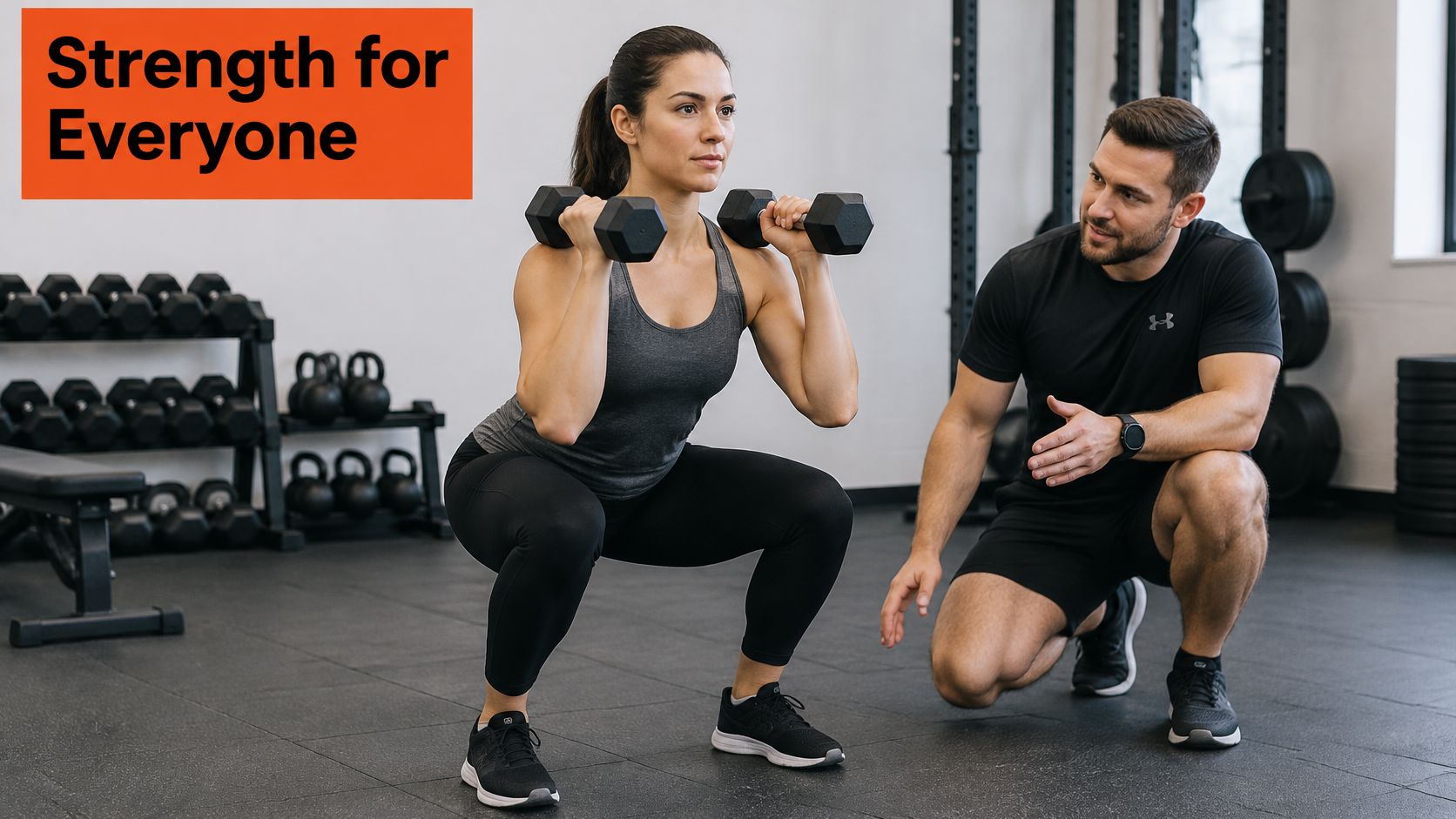
Free-weight zones are getting bigger, and women-focused strength studios are filling classes that used to be niche. Shoppers want range of motion and a fit that still works after muscle shows up in the shoulders, back, or thighs.
Say a customer adds a squat cycle and reorders the same tight. Height didn't change. Thigh volume did. If you only bought one "athletic" inseam, half of those reorders come back.
- Stock the squat-proof core: High-stretch leggings with a stable waist and a gusset that doesn't fight a deep bend.
- Split the curve: Don't load the buy on a single compression level when muscle gain changes the same size in one block.
- Ask before you size: Take measurements and the training goal, not just height and weight.
A runner adding injury prevention exercises for runners often needs more room through the glutes than an old road tight allowed. Say that on the page. Merchandise the squat and the overhead reach, not only the front stand.
Practical rule: If the size note never mentions shoulders, back, or thighs after a strength block, it isn't ready for this customer.
2. Wearable Health and Fitness Tracking
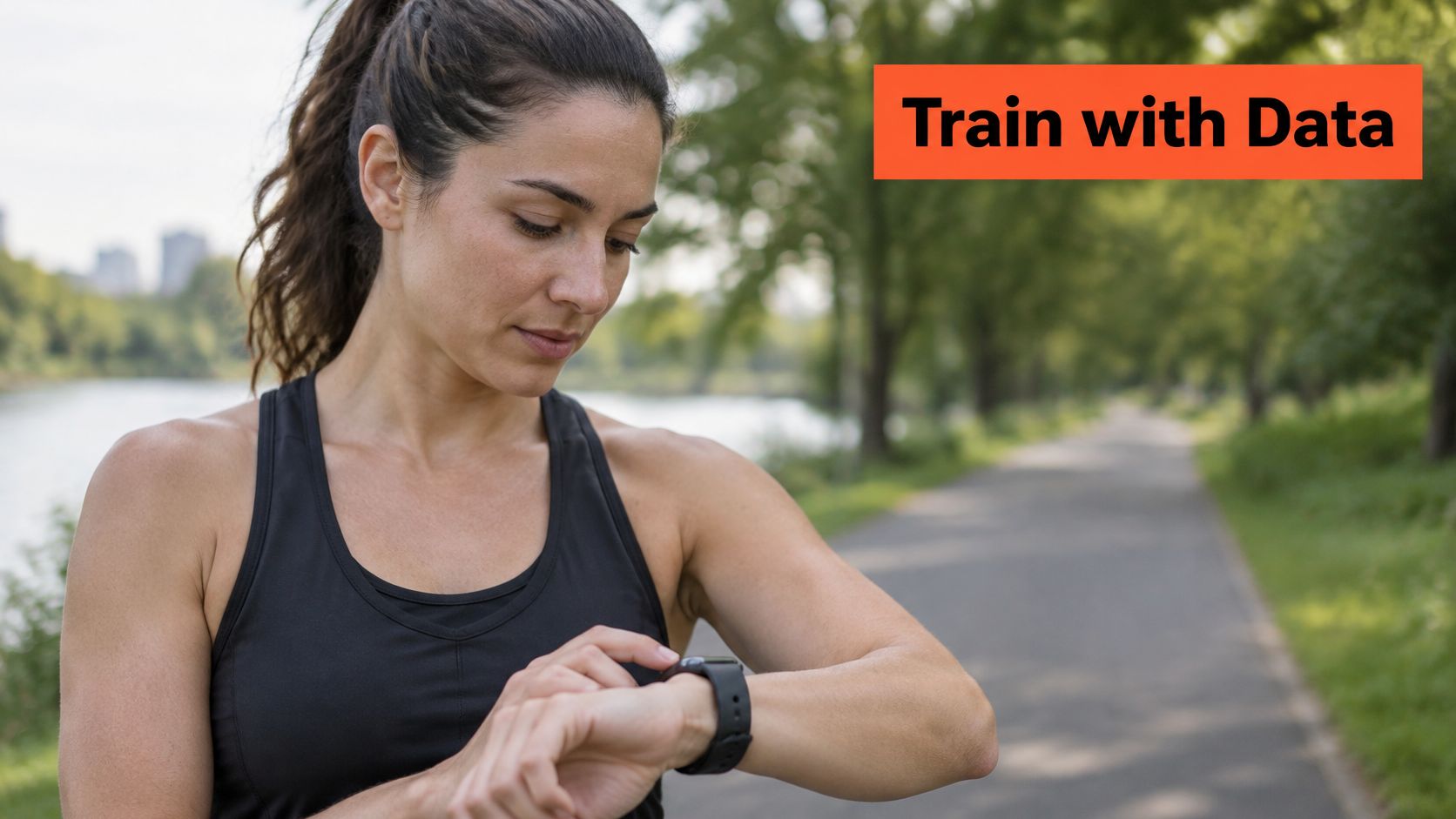
Wearable technology ranked number one and mobile exercise apps ranked number two in the American College of Sports Medicine 2025 Worldwide Fitness Trends survey of about 2,000 clinicians, researchers, and fitness practitioners. Data-driven training technology rose from eighteenth in 2024 to seventh in 2025. These shoppers already live in numbers. They'll notice a top that slides off a chest strap.
Apple Watch, Garmin, and Fitbit cover structured sessions. Oura and Whoop cover sleep. Stock snug tops where a strap has to stay put, and don't bury them under fashion layers. On the page, say whether the neckline leaves a sensor clear. If you collect body inputs, say what you store. A body data flow built for apparel is the pattern I want on a performance page: short questions, a clear size, no mystery health file.
Merchandise by the session they track. Running gets chafe-resistant shorts beside the watch-friendly top. Strength gets the squat-proof tight. Explore smartwatch workout features before you write those callouts so the copy matches what the device logs.
3. Zone 2 and Low-Intensity Endurance Training
Zone 2 is steady work at a conversational pace: easy running, cycling, or rowing. Podcasts and heart-rate zones on watches pushed it out of coach-only plans. Shoppers want endurance without the crash of all-out intervals, so they stay in the garment for a long time.
What fails is apparel sold like a sprint kit. A race short that feels fine for twenty minutes rubs at mile eight. Lightweight, breathable fabric with a flat seam beats a heavier "performance" tight that traps heat.
- Breathability first: Call out airflow and chafe resistance for long sessions, not just moisture-wicking as a slogan.
- Extended-wear notes: Say how the waist and leg feel after an hour, not only at the moment of try-on.
- Bundle the session: Pair the top and short that are meant to be worn together so the customer doesn't mix a slick short with a seam that bites.
A cycling club rider who lives in zone 2 will repurchase the kit that doesn't shift on the saddle. Merchandise that kit as an easy-day set, separate from race-day graphics, or the endurance buyer walks past it.
A long session punishes any fit note written only for the fitting room mirror.
4. Hybrid Training and Functional Fitness Events
Hybrid sessions stack running, rowing, lifts, and carries. HYROX-style events in cities worldwide turned that mix into a training plan, and gyms now program to those stations. The athlete needs one outfit that survives a sprint and a farmer's carry.
Stock durable, flexible pieces, not a pure running short that twists under load and not a powerlifting tight that overheats on the run. Layering is the fit problem. A compression base under a looser top has to be sized as a system, or the base binds when they hinge and the outer top flaps when they run.
This session shows the movement mix your PDP still has to cover.
Recommend one size that works for both the run and the lift, and say when a shopper should size the base separately from the shell. Merchandise hybrid kits next to event training copy, not inside a generic "gym" filter where they disappear beside lifestyle sets.
5. Pilates and Low-Impact Mind-Body Training
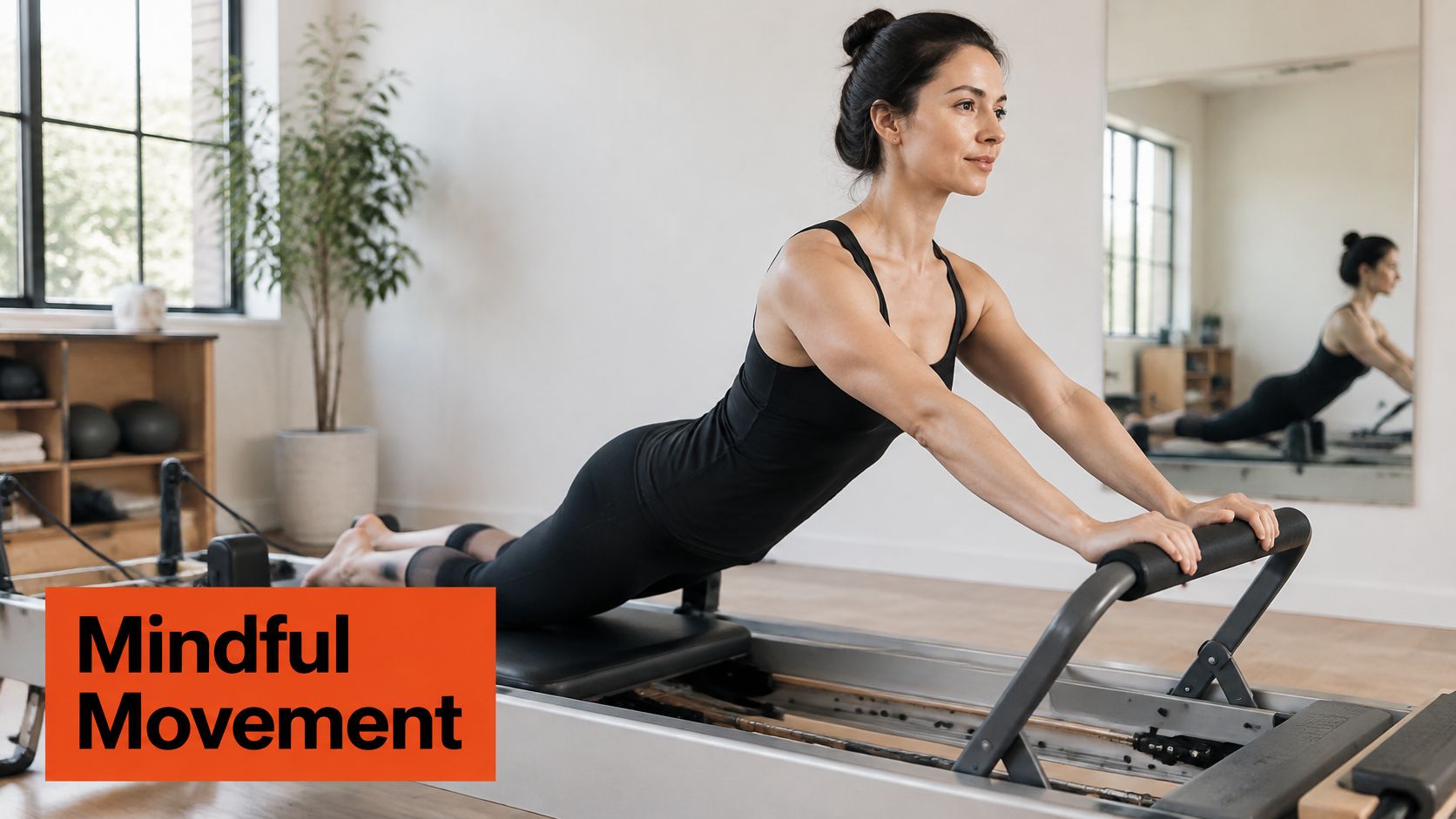
Reformer studios are spreading through major cities, and mat classes keep running through apps. The work is controlled, often inverted or pressed into the carriage. A loose tee that looks fine on a rack rides up the moment the shoulders go under the springs.
Stock fitted leggings and tops that stay put, with enough stretch for long levers and enough hold that the waist doesn't roll. Don't fill this bay with the same heavy squat tight you bought for strength. Reformer clients want a clean line and fabric that doesn't grab the machine.
Explain fit where the body meets the equipment. A high waist that digs into the ribs during roll-downs will be returned even if the hip measurement was right. Put stretch and recovery in the description so the buyer knows the fabric comes back after a long hold.
Merchandise this category with floor and inverted views, and keep it visually apart from high-impact sets. A shopper comparing a reformer tight to a running short on the same grid will pick the wrong one.
6. Connected and Home Fitness Equipment
Home setups matured past the pandemic spike. Peloton bikes and treadmills still run live classes. Tonal-style machines change resistance in the living room. The buyer trains where nobody else sees the outfit, then still returns it if it gaps on a bend.
One market analysis reports that more than 64% of fitness applications support smartwatch synchronization and real-time biometric monitoring, while approximately 46% of active users subscribe to premium wellness plans, according to Fortune Business Insights. Paid users expect the next recommendation to be useful immediately. Your site should behave the same way.
Offer sizing that accounts for frequent bending, lifting, and stretching at home, not a standing mannequin. If they just bought leggings, suggest the top that fits the same body, not a random cross-sell. Show the garment in a hinge and a reach. A lifestyle still on a white background hides the fail they will find beside the bike.
7. Recovery, Mobility, and Sleep Optimization
Recovery is no longer an add-on. Shoppers track sleep, book mobility classes, and plan rest days on purpose. Progress, for them, depends on what happens between hard sessions. That is a real category, not leftover loungewear.
Compression tights after a long event and a looser set for the evening are different SKUs. Stocking only one "recovery" fit forces a bad compromise. The tight that helps after a race feels wrong on the couch, and the oversized set looks sloppy in a mobility class.
Don't use the training size as the recovery size unless the shopper asks for the same compression.
Position both options with plain comfort language: relaxed, light compression, or firm. Pair the recovery style with the performance piece they already train in so the recommendation feels like the week, not a separate lifestyle brand. A customer who ran on Saturday and stretches on Sunday should see both on one path.
8. AI-Powered Personal Training and Coaching
Apps now build plans from a short questionnaire and wearable data. Smart mirrors comment on form. Personalized coaching got cheaper, and shoppers expect the product page to be just as specific.
The global fitness-app market was valued at approximately USD 12.1 billion in 2025 and is projected to reach USD 33.6 billion by 2033, a 13.4% compound annual growth rate, according to Grand View Research. Smartphones accounted for 66.7% of fitness-app usage by device. Mobile-first sizing isn't optional when most of the session, and the purchase, happens on a phone.
Collect only the inputs you need, and say which measurement changed the size. Let the shopper edit height, weight, or shape and see the recommendation move. Static charts can't do that. An augmented reality clothing preview gives them the garment on a body before checkout, which is the retail version of the plan their training app already personalizes.
Merchandise the "why" next to the size, not in a help-center article nobody opens.
9. Inclusive and Body-Positive Fitness Apparel
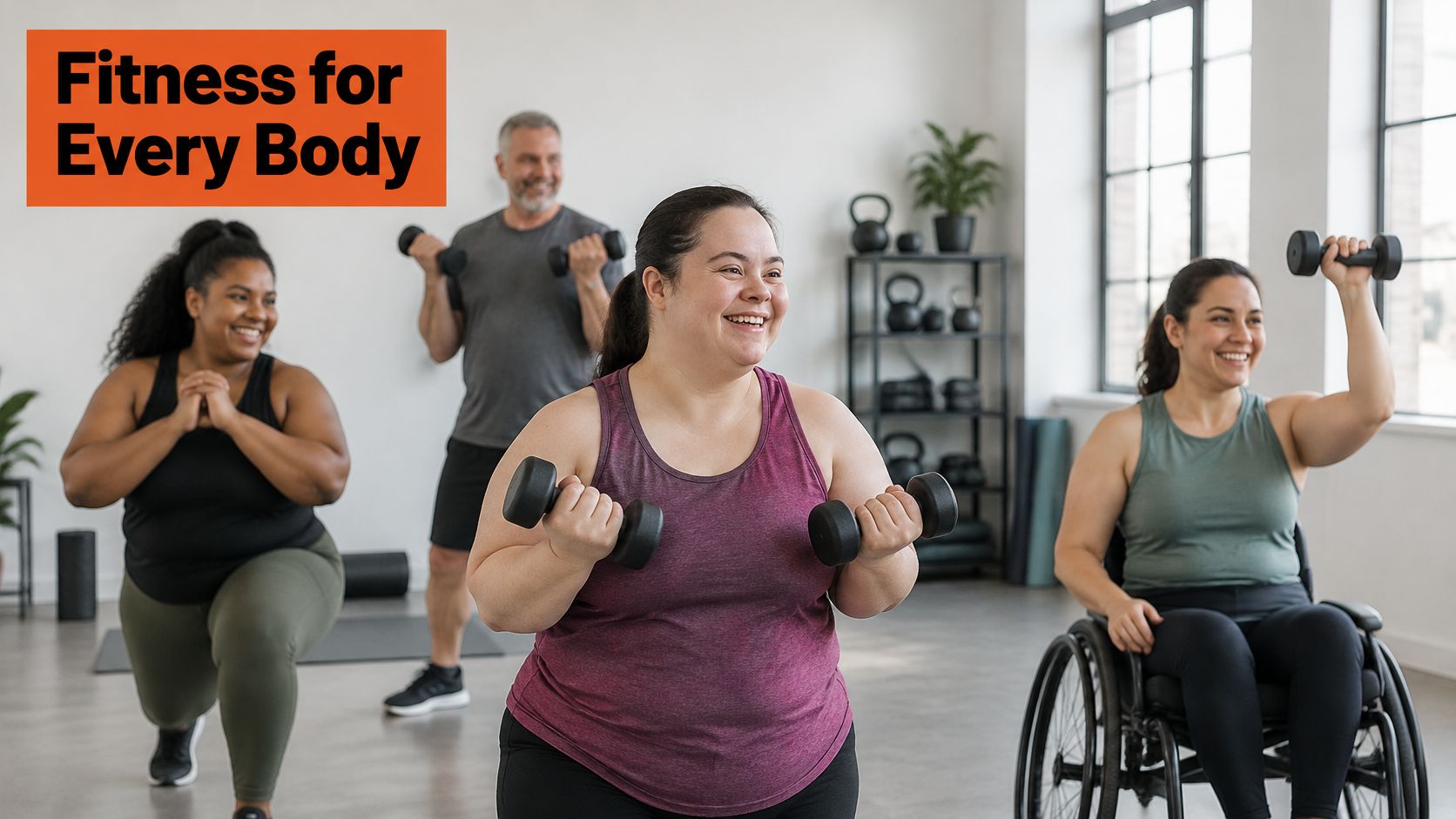
Extended sizing across leggings, sports bras, and tops is now the baseline many shoppers expect. Imagery on one narrow body makes the rest of the curve look like an apology. You can serve more people, and you will also miss more of them if the chart is still height, weight, and a single fit word.
Standard charts fail when two shoppers share a weight and not a shape. One carries more through the waist, the other through the hip. The same medium binds on one and gaps on the other.
- Show the range: Put the style on more than one body so the silhouette is visible before the size dropdown.
- Guide by shape: Don't stop at height and weight. Say where stretch, compression, and rise land.
- Write the silhouette: Fitted, compressive, and relaxed are different products. Name them in the chart.
A clothing size chart for women that ties the garment to shape, not a single column of letters, is what I would put on the inclusive sets first. Merchandise those sets in the main fitness grid. Hiding extended sizes in a filter reads as an afterthought and trains the shopper to leave.
10. Community-Driven and Social Fitness Experiences
In 2024, 247.1 million Americans participated in at least one sport or physical activity, according to the Sports & Fitness Industry Association. A lot of that movement is social. Run clubs, small training groups, and shared challenges are how people stay consistent.
Stock what survives a group run in bad weather and a gym session after, not only studio sets that photograph well indoors. Brand-hosted clubs and Strava-style challenges are useful because members will tell you where a short failed.
Use real customer photos and fit notes from those groups. A comment that the waist held on a hilly club run is better merchandising than another studio still. Invite fit stories, then feed the repeated comments back into the size guide. If three runners say the medium rides down, your curve is wrong, not their form.
How each fitness trend shapes apparel stocking, fit, and merchandising decisions
| Trend | Core Shopper | Primary Fit Concern | Merchandising Opportunity |
|---|---|---|---|
| Strength Training for All Ages and Body Types | Strength-training beginners and enthusiasts across ages and body types | Changing muscle shape can make standard sizing less reliable | Show movement-ready fit guidance for evolving body shapes |
| Wearable Health and Fitness Tracking | Data-oriented exercisers who track workouts, sleep, and recovery | Apparel fit can affect comfort during extended wear or sensor use | Feature wearable-friendly apparel and personalized activity-based recommendations |
| Zone 2 and Low-Intensity Endurance Training | Beginners and endurance athletes doing steady, long-duration sessions | Chafing and discomfort during extended wear | Highlight breathable, chafe-resistant apparel and long-wear fit notes |
| Hybrid Training and Functional Fitness Events | Competitive and community-minded athletes combining cardio and strength | Apparel must fit across varied movements and layering needs | Promote durable, flexible pieces with fit guidance for running and lifting |
| Pilates and Low-Impact Mind-Body Training | Pilates participants, including studio members and urban professionals | Clothing can restrict movement or shift during controlled exercises | Feature fitted, stretchy apparel with clear movement and comfort details |
| Connected and Home Fitness Equipment | At-home exercisers using connected equipment and digital coaching | Garments must stay comfortable through bending, lifting, and stretching | Show apparel in motion and recommend complementary workout pieces |
| Recovery, Mobility, and Sleep Optimization | Fitness shoppers focused on rest, mobility, and recovery | Relaxed comfort may need to balance with a flattering fit | Separate relaxed and compression options and cross-merchandise recovery wear |
| AI-Powered Personal Training and Coaching | Shoppers comfortable with personalized, data-driven fitness | Recommendations depend on accurate body inputs and transparent guidance | Explain fit recommendations and let shoppers adjust inputs |
| Inclusive and Body-Positive Fitness Apparel | Shoppers seeking apparel across diverse body types, sizes, ages, and abilities | Standard size charts may not reflect varied body shapes | Show diverse models and provide shape-specific fit guidance |
| Community-Driven and Social Fitness Experiences | People motivated by group workouts, events, and social accountability | Online shoppers need relatable fit examples and trusted sizing advice | Use community photos, fit stories, and peer feedback to build confidence |
Turning Fitness Trends into Stock, Fit, and Merchandising Decisions
The thread through all ten shifts is simple. Bodies, sessions, and wear occasions are moving faster than a static size chart. Strength adds volume in places a yoga chart never measured. Zone 2 and hybrid work punish seams that only survived a short try-on. Pilates needs a hold that doesn't ride. Home workouts hide bad fit until the return label is printed. Recovery wants a second fit, not the training size worn softer. Inclusive ranges fail when every shape is forced through one column.
The demand behind that churn is large. The World Health Organization reported that approximately 1.8 billion adults, 31% of the world's adult population, did not meet recommended activity levels in 2022. The benchmark is at least 150 minutes of moderate-intensity activity or 75 minutes of vigorous-intensity activity per week. If the current trajectory continues, WHO projects that 35% of adults will fail to meet activity recommendations by 2030. Many of the people who do start won't arrive as experienced gym regulars. They'll arrive mid-block, in a new studio, or from a club run, and they'll judge you on whether the garment matches that week.
I wouldn't rebuild the whole line in one cycle. Pick one move before the next buy.
Audit your top ten fitness SKUs against a single trend. If strength is the one you feel on the floor, mark which units fail a squat, a press, or a thigh that grew. Add body-shape fit notes to one category, not the whole catalog. Test one bundle built around a single style, such as an easy-run top and short, or a reformer set that stays put on the carriage. Watch recommendation acceptance, repeat sessions on the page, and size-related returns for that bundle only.
Current fitness trends don't ask you to chase every class format. They ask you to stock the garment the session wears, explain the fit in the movement that breaks it, and merchandise it where that shopper is already looking. Do that on one category before the next purchase order, and the size M that used to come back has a better chance of staying sold.
Robosize gives apparel teams an AI virtual fitting room that builds a shopper-specific body from a short questionnaire and an optional selfie, then shows the garment and a precise size on the product page. That is the practical answer when current fitness trends change how a waistband, a thigh, or a layer should fit before your next size chart can. Visit Robosize to see how the Shopify app or a simple script puts that try-on and size recommendation on the products you already sell.